On Day Three, having discussed topics relevant to education practitioners, the Dialogue brings recent scientific findings into conversation with Buddhist understandings of the mind. The first presentation in this session surveys the current scientific research on meta-awareness and attention. References are made to the influence of mindfulness and compassion training in a broad range of …
Mindfulness meditation has been in the limelight recently in Japan. Zen meditation has had a long tradition in Japan and its spirit has greatly influenced arts—“道, or dou—such as tea ceremony, flower arrangement, and the martial arts. There are times when its fragrance is felt in our daily lives. Even so, up to now, ordinary …
Naikan is a Japanese contemplative practice that was derived and secularized from a Buddhist self-cultivation method. Naikan means “inner-looking” or “introspection.” The practice focuses on recalling the kindness that one has received from others, what one has given in return, and the trouble one has caused others. Unlike some other approaches, such as mainstream psychotherapies, …
This talk explores a well-known writing in the area of meditation in the Japanese Zen tradition entitled Yasenkanna (夜船閑話, or Idle Talk on a Night Boat), one of Hakuin’s autobiographies, written in 1757 by the Zen Master Hakuin Ekaku (1686–1769), a seminal figure who occupies a prominent place in the history of Japanese religion today. …
The process of observing the mind in Buddhism is called samatha and vipassanā, and involves placing attention on a certain object (or objects) with awareness. Important facets of this type of observation, also called mindfulness, are noticing objects without using language, and accepting them as they are. According to Buddhism, suffering emerges from a state …
Meditation practices are increasingly being adapted into secular formats such as “mindfulness.” In these new contexts, the spiritual or soteriolog- ical aspects of meditation have been largely put aside and the putative benefits of meditation in terms of physical and mental health are empha- sized within a scientific (and especially neuroscientific) framework. For instance, invoking …
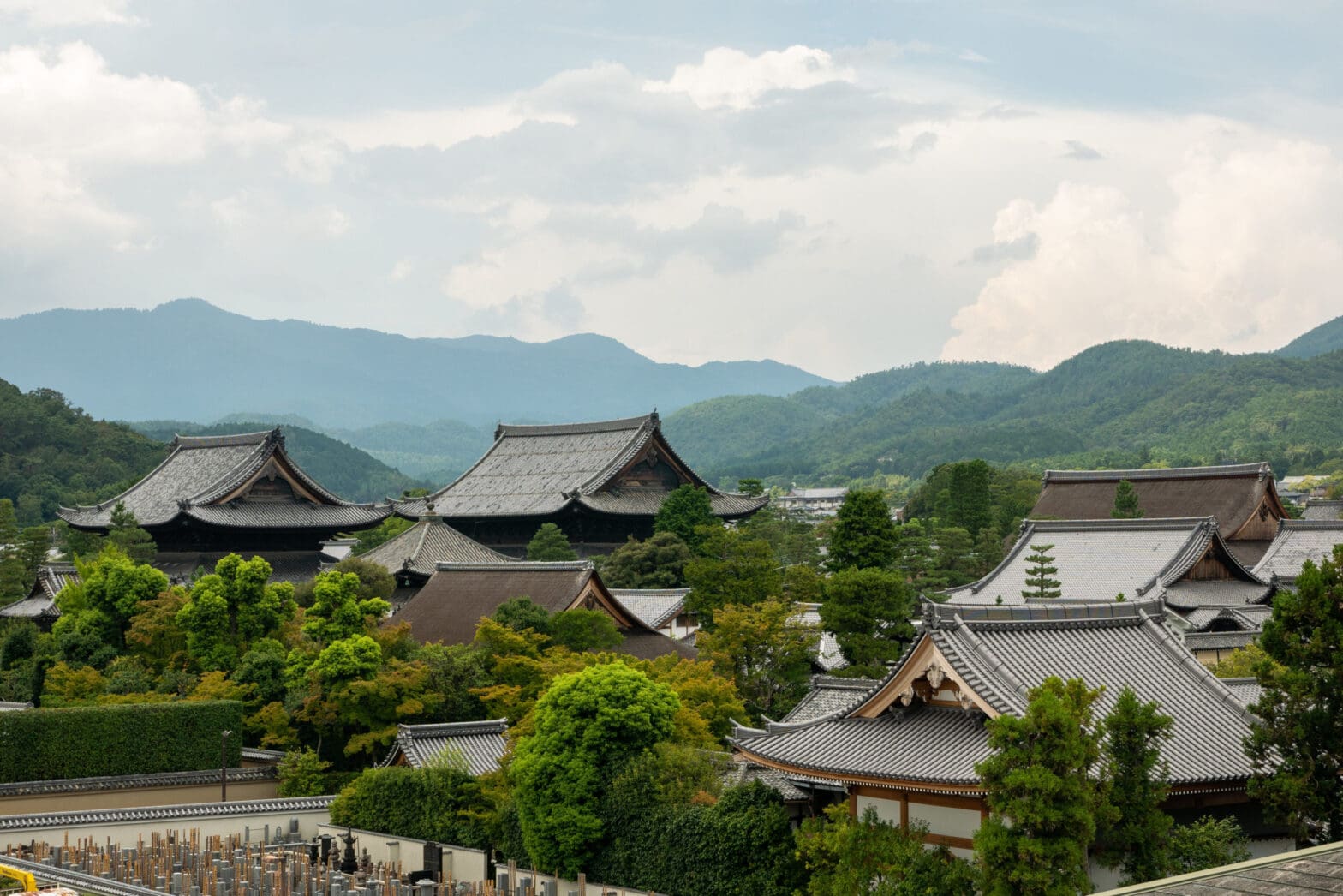
As the “cultural heart of Japan,” Kyoto is home to longstanding traditions of contemplative practice, philosophy, and scientific research. Inspired by this setting, and its location at the Zen temple complex Myōshin-ji, the theme for this Mind & Life International Research Institute is Contemplative Practice in Context: Culture, History, and Science. This five-day immersive program brings together leading scholars in the sciences and humanities, contemplatives, and artists to examine contemplative epistemologies within a variety of contexts.
This keynote lecture proposes that mindfulness includes cultural practices, habits of attending, and ways of using the body in the social and material world. Current neuroscience conceptions of mindfulness as an inner mental state or trait that can be correlated with unique patterns of brain activity are therefore inadequate because they leave out the wider …
Sharon Salzberg and Roshi Joan Halifax will lead a guided practice on kindness and compassion. This practice session will be directed toward cultivating prosocial mental qualities.
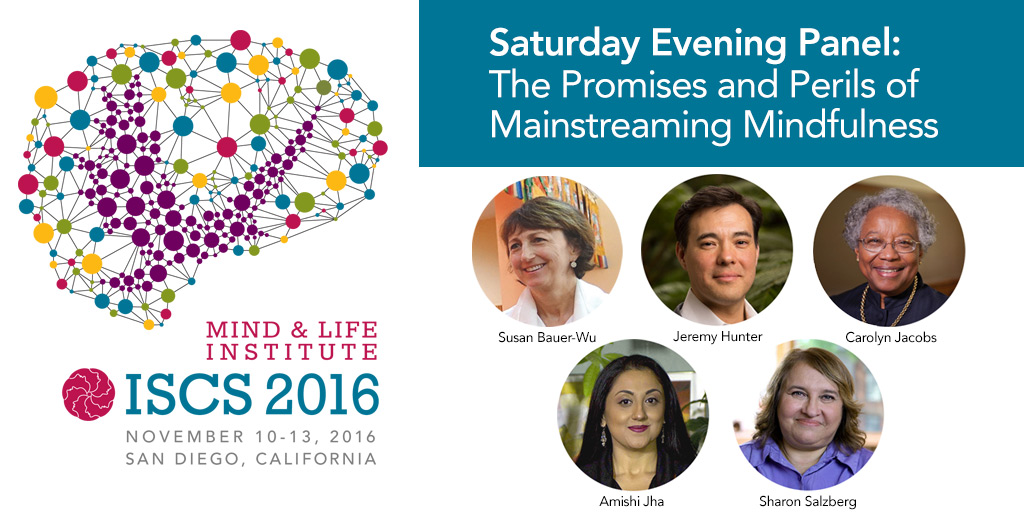
Mindfulness training is growing in its mainstream popularity. This keynote panel will discuss the promises of offering mindfulness training to cohorts across many major societal institutions such as healthcare, business, higher education and military/first responder communities. Paralleling its popular rise have been growing concerns regarding mainstream dissemination of contemplative training, including the ethical framework within …