
This panel will examine the growing role of social media and handheld technology uses in various relationships, individual and group health, intergroup dynamics, and its effects on prosocial behavior. Panelists will discuss the opportunities, misbeliefs and dangers of increased connectedness through technology, with reflections on current research findings and will raise important questions for future …
Topic Archives:
Advancing Prosocial Interactions on Facebook Through Interdisciplinary Research
Pete Fleming has built a multidisciplinary research team at Facebook, responsible for studying social interactions and developing products to make Facebook a safer and more supportive space for people to connect with others. The team is made up of researchers from a wide range of disciplines, including social psychology, clinical psychology, human-computer interaction, sociology, demography, …
Continue reading “Advancing Prosocial Interactions on Facebook Through Interdisciplinary Research”
The Other as Part of the Self: Empathy, Understanding and Support
High-quality social relationships help us live longer, happier and healthier lives — facts that hold true, as far as anyone knows, regardless of geography or culture. Although links between relationships and health have been observed for decades (if not millennia), the mechanisms responsible for them remain speculative. In this talk, Jim Coan will first describe …
Continue reading “The Other as Part of the Self: Empathy, Understanding and Support”
Shadow Selves: Becoming Skillful and Wise in Our Response to the Human Need for an Enemy
It is well known that human beings are both profoundly interdependent and profoundly unconscious—a dangerous mix. In our conscious and unconscious desires to protect ourselves, we “need” an enemy whom to fight against, control, or withdraw from. In Polly Young-Eisendrath’s decades-long professional experience as a Jungian psychoanalyst and a couples therapist, as well as her …
Person-Perception, Self-Perception, and Moral Development from Infancy to Adolescence
In this session, Rob Roeser will present selected developmental science research on social cognition and person-perception—defined in relation to how individuals’ perceptions and understandings of other people/groups develop from infancy through adolescence, and moral and self-development—defined in relation to how individuals’ capacities for self-regulation, compassion, and fairness in social interactions, and their related moral identities …
How Difference is Constructed and What We Can Do About It: Perspectives across Evolution, Culture, and Mindfulness Training
Conceptual classification and linguistic reification are intrinsic to, if not diagnostic of, humans as a species. These potentiate but do not necessitate what Foucault calls “dividing practices,” which inscribe stigma and prejudicial discrimination weighted by power to effect domination and control of some classes of people by others. These processes entail intrasubjective dynamics, notes Bruce …
Flexible Social Cognition and Dehumanisation
Lasana Harris’ presentation will focus on flexible social cognition—our ability to infer the mental states of other people, animals, and non-human objects, and to withhold this ability in the presence of others. This latter phenomenon termed dehumanised perception is moderated by the social context, such that people read cues from the situation, as well as …
Continue reading “Flexible Social Cognition and Dehumanisation”
Communication Between Cultures: Towards a Dialogue of Human Reconciliation
Cross-cultural (mis)communication is not just something that happens between strangers; it is an event of everyday life but rarely exclusive to the ‘other’ outside our cultural community. Since people’s most important values, viewpoints, mindsets, conducts, and ways of interacting and communicating (verbal and non-verbal) are shaped by culture, it becomes extremely important to understand other …
Continue reading “Communication Between Cultures: Towards a Dialogue of Human Reconciliation”
2018 Summer Research Institute
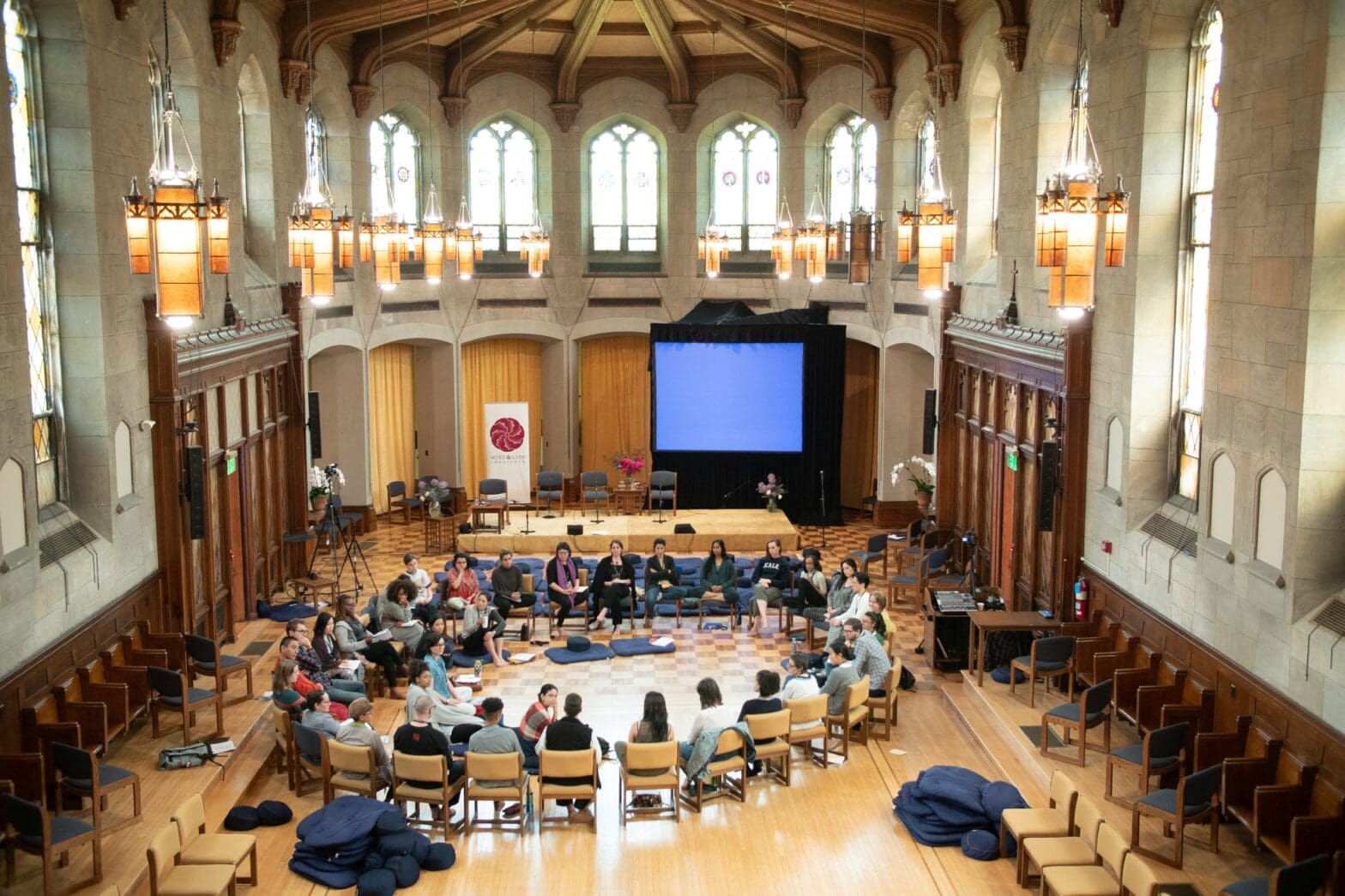
The 2018 Mind & Life Summer Research Institute extends the arc from the 2016 and 2017 programs that addressed themes of context, social connectivity, and intersubjectivity by engaging critical topics relevant to cultural difference and human diversity. The weeklong immersive program will examine social and psychological patterns, both implicit and explicit, to discuss how difference is constructed at personal, interpersonal, and socio-structural levels. Scientific, humanistic, and first-person contemplative perspectives will give attention to processes of othering and how we can overcome conflict by embracing difference.
Helen Weng: Using Science to Spread a Message of Compassion, Equity, and Inclusion
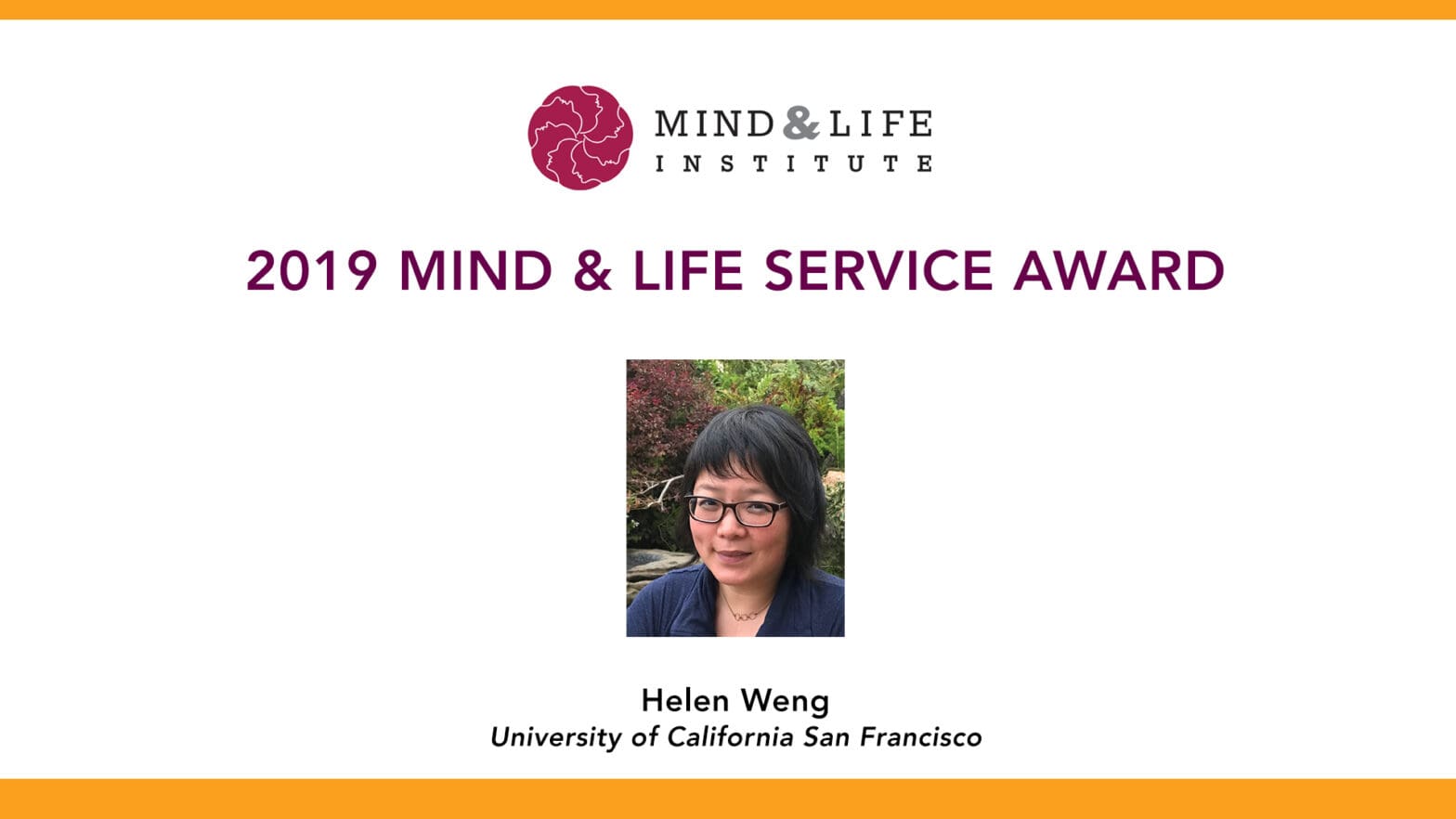
In late 2019, Helen Weng, PhD was honored with the Mind & Life Institute Annual Service Award. The award is given to individuals who are distinguished by the breadth and depth of their involvement with Mind & Life, and who embody its core values of compassion, integrity, curiosity, inclusion, and excellence. Below is a tribute …