Emotional Status and Physical Disease

Emotional Status and Physical Disease

Overview

The session explores how Buddhist mindfulness practice can be adapted for use in Western medical settings without requiring patients to adopt a religious belief system. Sharon Salzberg explains mindfulness as direct, nonjudgmental awareness of changing experiences, including breath, bodily sensations, pain, and thoughts, helping practitioners see that thoughts are temporary events rather than fixed truths. Jon Kabat-Zinn then describes the Stress Reduction Clinic at the University of Massachusetts Medical Center, where mindfulness meditation, body scanning, gentle yoga, and everyday awareness are offered as complements to conventional treatment for people with chronic pain and other stress-related conditions. Rather than promising to remove illness, the program teaches patients to relate differently to pain, fear, and self-critical thinking while taking greater responsibility for their well-being. Kabat-Zinn presents preliminary findings suggesting reductions in physical and psychological symptoms, alongside improvements in resilience, coherence, and the ability to manage change, indicating that mindfulness may support healing by helping people feel more integrated, capable, and fully present in their lives.

Speakers

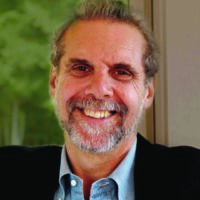
Daniel Goleman

Daniel Goleman, PhD, is a psychologist and science writer best-known for his worldwide best-seller Emotional Intelligence, published in 40 languages. He taught at Harvard University before becoming an editor and journalist, covering the brain and behavioral science for the New York Times. He is a co-founder of the Collaborative for Academic, Social, and Emotional Learning at the University of Illinois, and co-director of the Consortium for Research on Emotional Intelligence in Organizations at Rutgers University. He received his Ph.D. in psychology from Harvard University. For two years he traveled in India studying Buddhist and other spiritual systems of psychology, the first year as a Harvard Traveling Fellow, the second as a Research Fellow of the Social Science Research Council. He is a Fellow of the American Association for the Advancement of Science, and has received many awards for his writing. He is the author of numerous books, including The Meditative Mind, Destructive Emotions, Social Intelligence, and, most recently, Ecological Intelligence.

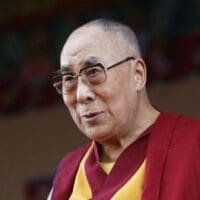
His Holiness The Dalai Lama

Tenzin Gyatso, the14th Dalai Lama, is the leader of Tibetan Buddhism and a spiritual leader revered worldwide. He was born on July 6, 1935, in a small village called Taktser in northeastern Tibet. Born to a peasant family, he was recognized at the age of two, in accordance with Tibetan tradition, as the reincarnation of his predecessor, the 13th Dalai Lama. The Dalai Lamas are manifestations of the Buddha of Compassion, who choose to reincarnate for the purpose of serving human beings. Winner of the Nobel Prize for Peace in 1989, he is universally respected as a spokesman for the compassionate and peaceful resolution of human conflict. He has traveled extensively, speaking on subjects including universal responsibility, love, compassion and kindness. Less well known is his intense personal interest in the sciences; he has said that if he were not a monk, he would have liked to be an engineer. As a youth in Lhasa it was he who was called on to fix broken machinery in the Potala Palace, be it a clock or a car. He has a vigorous interest in learning the newest developments in science, and brings to bear both a voice for the humanistic implications of the findings, and a high degree of intuitive methodological sophistication.

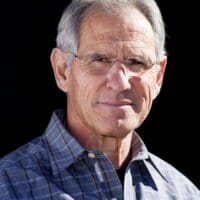
Jon Kabat-Zinn

Jon Kabat-Zinn, Ph.D. did his doctoral work in molecular biology at MIT, in the laboratory of the Nobel Laureate Salvador Luria. Kabat-Zinn is Professor of Medicine emeritus at the University of Massachusetts Medical School, where he founded the Center for Mindfulness in Medicine, Health Care, and Society (in 1995), and (in 1979) its world-renown Mindfulness-Based Stress Reduction (MBSR) Clinic. He is the author of 14 books, published in over 45 languages. His work has contributed to a growing movement of mindfulness into mainstream institutions such as medicine, psychology, health care, neuroscience, schools, higher education, business, social justice, criminal justice, prisons, the law, technology, government, and professional sports. Over 700 hospitals and medical centers around the world now offer MBSR. Jon lectures and leads mindfulness workshops and retreats around the world.

Sharon Salzberg

Sharon Salzberg has been teaching meditation retreats worldwide for over 30 years. She is a co-founder of the Insight Meditation Society in Barre, Massachusetts, The Barre Center for Buddhist Studies and The Forest Refuge, a new center for long term meditation practice.