Mindfulness, Compassion, and the Treatment of Depression

Mindfulness, Compassion, and the Treatment of Depression

In contemporary behavioral science, the general term “depression” covers a
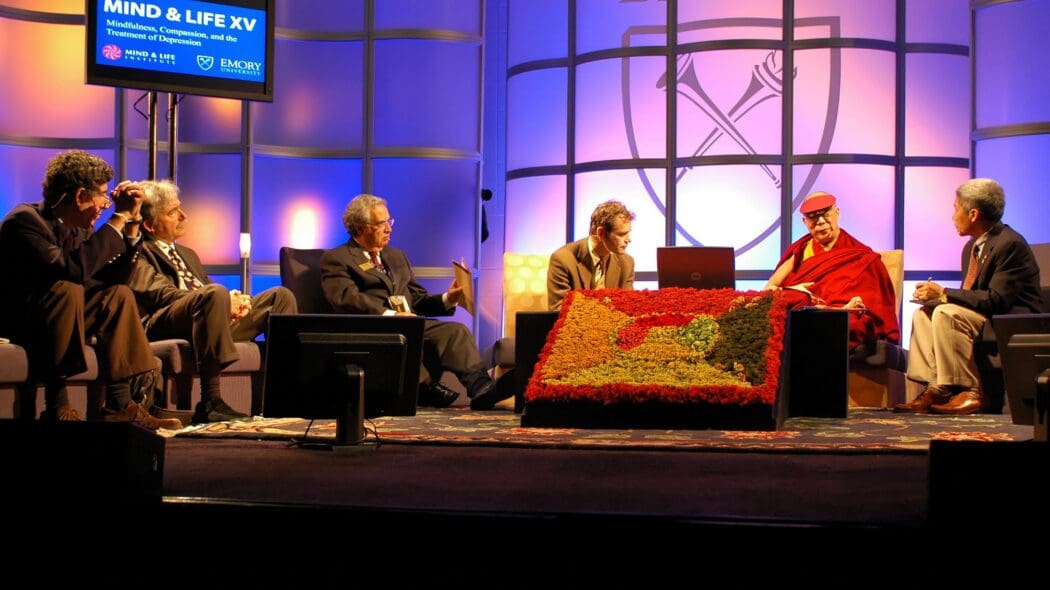
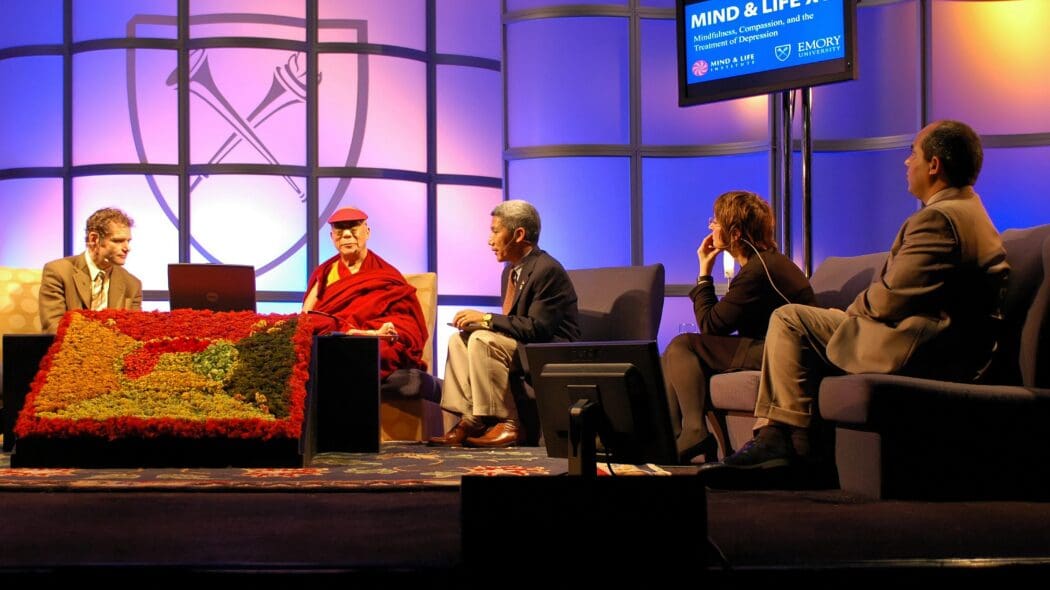
wide range of some of the most striking and prevalent forms of mental suffering in the world today. Within the broad spectrum of depression, some forms are relatively well understood. This meeting builds on that understanding to further examine the nature of depression and explore the possibility that some meditative practices may be helpful in its treatment or prevention.

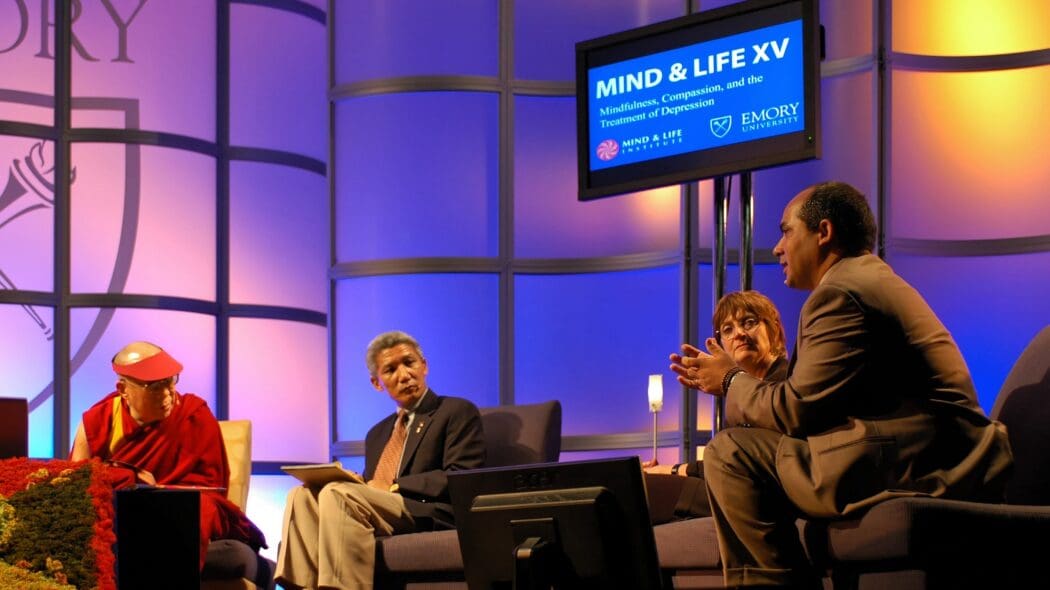
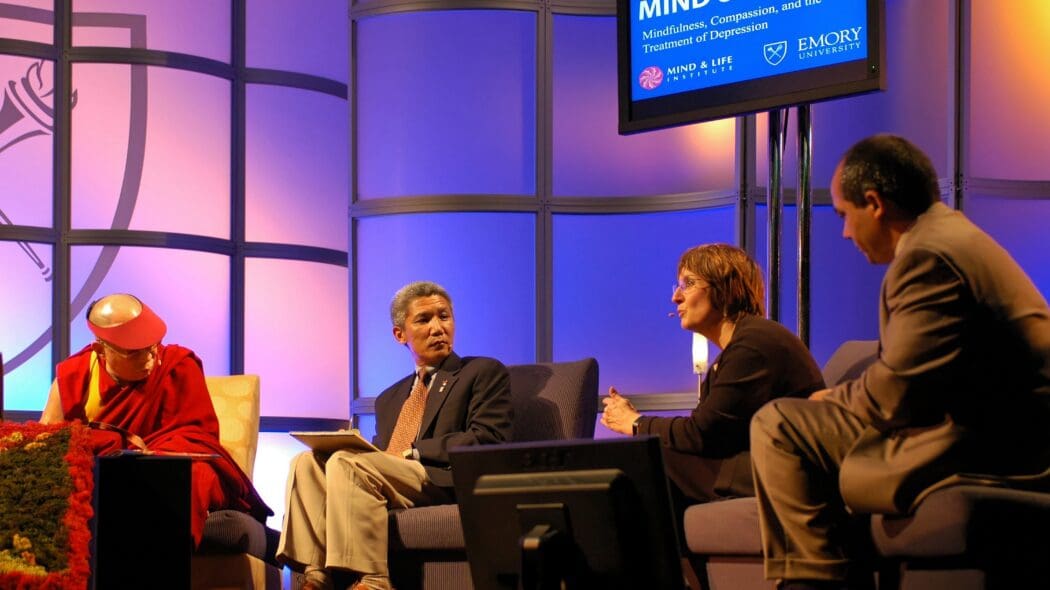
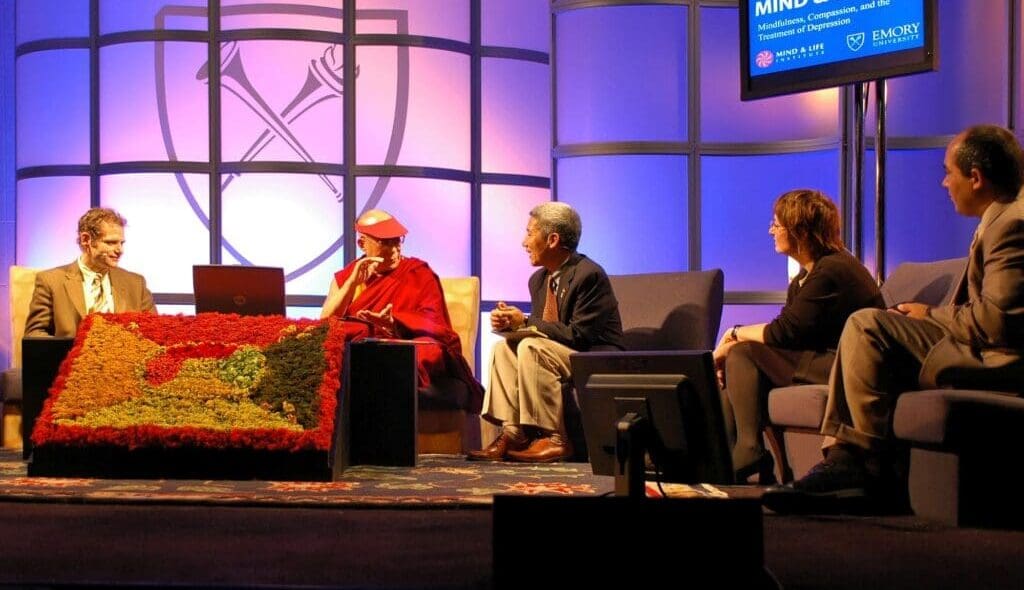
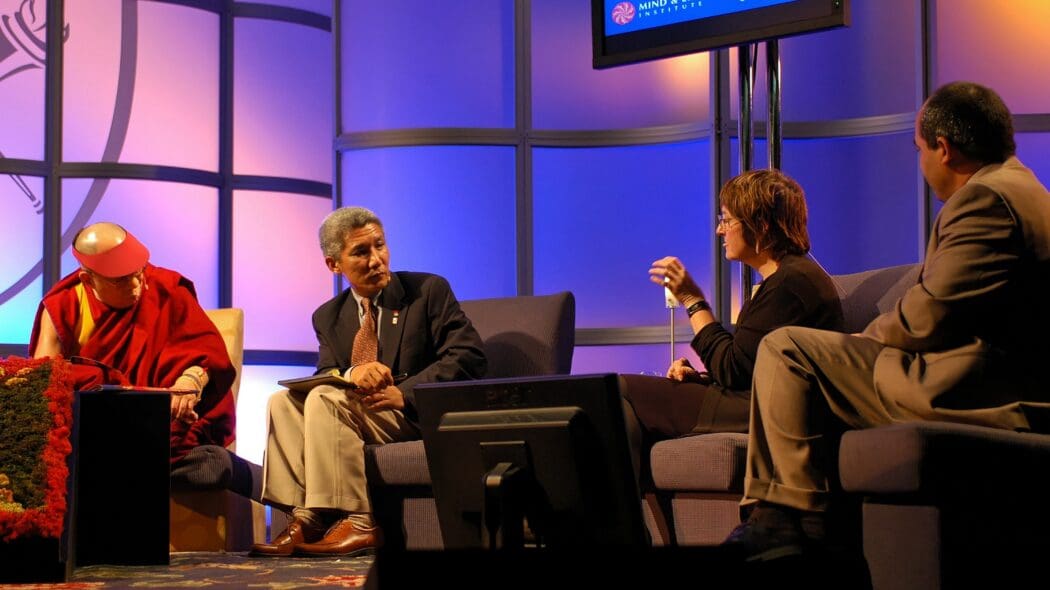
Drawing on a wide range of expertise within both behavioral sciences and the Buddhist contemplative traditions, this dialogue seeks to understand depression in physiological and cognitive terms so as to explore the possibility that mindfulness-based therapies, along with techniques to enhance compassion, may prove espеcially useful in the treatment of depression.

Dialogue Sessions

Opening Remarks with the Dalai Lama

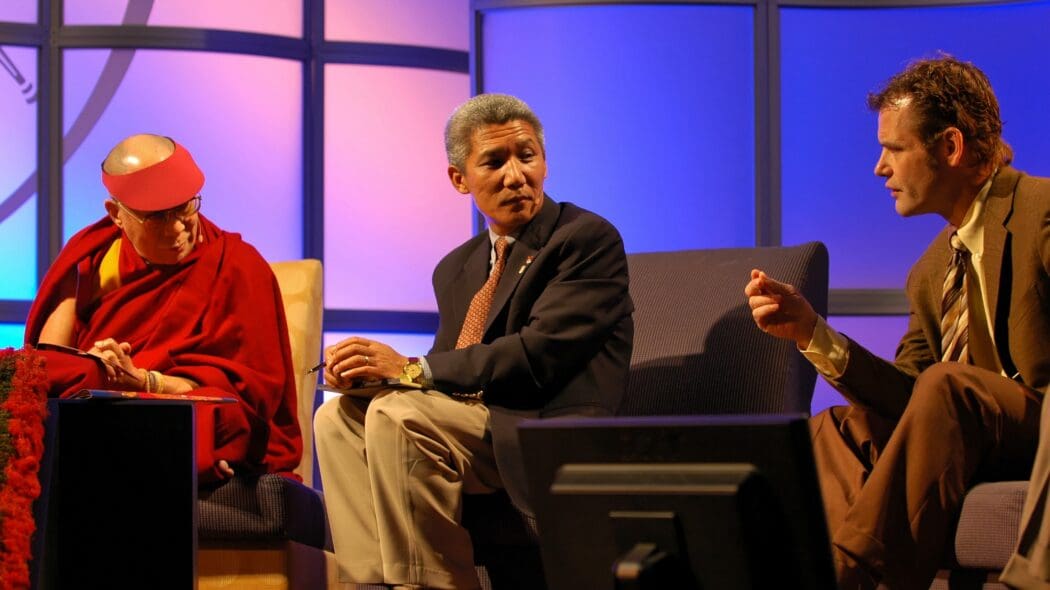
Mind & Life Institute president Adam Engle shares opening remarks followed by Emory University president James W. Wagner who announces that the Dalai Lama’s installation as an Emory Presidential Distinguished Professor. The Dalai Lama follows with remarks highlighting two core commitments: promoting human values, especially compassion, through secular ethics, and fostering religious harmony. He emphasizes …

Watch Session
  • Audio
  • Subtitles
  • Transcript
  • Video

Early Life Factors in Depression

Charles Nemeroff explores the causes of depression, emphasizing the profound impact of early childhood trauma on adult vulnerability. He frames depression as a severe, often fatal illness—not merely sadness—characterized by anhedonia, cognitive impairment, sleep disturbance, and increased risk of suicide and physical disease. While genetics account for about one-third of depression risk, environmental factors—especially early …

Watch Session
  • Audio
  • Subtitles
  • Transcript
  • Video

Neurophysiological and Cognitive Aspects of Depression

Helen Mayberg explores depression through the lens of brain circuitry, emphasizing how emotional and cognitive systems interact to shape human experience. She explains that the brain constantly responds to internal and external stimuli, maintaining a balance between emotional processing and rational thinking. In mild cases of imbalance, practices like mindfulness can help restore equilibrium. However, …

Watch Session
  • Audio
  • Subtitles
  • Transcript
  • Video

Understanding Depression from a Buddhist Perspective – followed by panel discussion

John Dunne examines efforts to understand depression through a dialogue between Buddhist thought and contemporary science. Rather than presenting Buddhism in a traditional sense, he focuses on how Buddhist cognitive and psychological frameworks can collaborate with Western approaches to deepen our understanding of depression and improve treatment methods. He highlights the widespread and growing impact …

Watch Session
  • Audio
  • Subtitles
  • Transcript
  • Video

Mindfulness, Compassion and the Psychological Treatment of Depression

Zindel Segal emphasizes that while depression can vary in severity and may be treated through physical interventions, psychological approaches focus on transforming one’s relationship to depressive experiences rather than eliminating them. These approaches address both the emotional and cognitive aspects of depression, including overwhelming or numbed feelings and persistent patterns of rumination and self-focus. Across …

Watch Session
  • Audio
  • Subtitles
  • Transcript
  • Video

Changing the Brain by Transforming the Mind: The Impact of Compassion Training on the Neural Systems of Emotion

Richard Davidson explores the scientific study of compassion and its potential applications for mental health, particularly depression. Inspired by the Dalai Lama, Davidson describes efforts to apply rigorous neuroscience methods—traditionally used to study fear and anxiety—to compassion. He begins by showing that individuals with depression exhibit reduced brain responses to positive social interactions, suggesting a …

Watch Session
  • Audio
  • Subtitles
  • Transcript
  • Video

Compassion Meditation: a Cognitive Strategy for Enhancing Social Empathy

Geshe Lobsang Tenzin Negi explores compassion meditation through the lens of Tibetan medical and Buddhist traditions, while connecting these insights to contemporary scientific research. He begins by contextualizing mental disorders within Tibetan medicine, highlighting causes such as psychosocial stress, lack of social connection, and imbalances in bodily and behavioral factors. Traditional treatments combine pharmacology, lifestyle …

Watch Session
  • Audio
  • Subtitles
  • Transcript
  • Video

Compassion Training as a Path to Emotional and Physical Wellbeing – followed by panel discussion

Charles Raison explores whether compassion meditation can proactively protect against depression by altering how the body and mind respond to stress. Unlike approaches that treat depression after it emerges, his study investigates prevention—specifically how training in compassion might reduce harmful physiological stress responses linked to mental and physical illness. Raison explains that stress responses evolved …

Watch Session
  • Audio
  • Subtitles
  • Transcript
  • Video

Participants

Honorary Board Chair
  • His Holiness the Dalai Lama
Interpreter
  • Thupten Jinpa
Coordinators
  • Adam Engle
Speakers
  • Richard J. Davidson
  • John D. Dunne
  • Helen S. Mayberg
  • Geshe Lobsang Tenzin Negi
  • Charles B. Nemeroff
  • Charles L. Raison
  • Zindel V. Segal
  • Robert A. Paul
  • James W. Wagner

Gallery