Overview
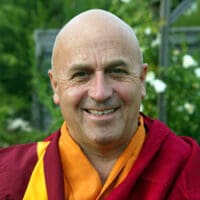
The conference brings together the Mayo Clinic and the Mind & Life Institute to examine how meditation, mindfulness, and compassion may contribute to health, healing, and human flourishing. Matthieu Ricard argues that well-being depends not only on external circumstances but also on cultivating inner qualities such as loving-kindness, compassion, and emotional resilience; he presents meditation as systematic mental training that can gradually transform habitual states and distinguishes compassion from empathy by suggesting that compassion combines sensitivity to suffering with benevolence, helping caregivers remain engaged without becoming overwhelmed or burned out. Jon Kabat-Zinn then describes mindfulness-based stress reduction as a secular, clinically integrated practice centered on nonjudgmental awareness, presence, kindness, and self-compassion, highlighting research suggesting benefits for chronic illness, anxiety, depression, immune response, and quality of life, while emphasizing that mindfulness complements rather than replaces medical care. Richard Davidson concludes by presenting the neuroscience of neuroplasticity, arguing that qualities such as compassion, loving-kindness, happiness, and attention can be understood as trainable skills that produce measurable changes in the brain and body; studies of long-term meditators show distinctive gamma activity and increased activation in brain regions associated with brain-body integration during compassion practice, while mindfulness training is also linked to changes in immune and inflammatory processes. Overall, the session presents contemplative practice as a potentially powerful, scientifically investigable means of strengthening both personal well-being and compassionate care in medicine.
- Dialogue 164 sessions
- April 16, 2008Mayo Clinic, Rochester, Minnesota
- ML16_Session-1.stamped_doc |docx|