

Noopur Amin is deeply interested in empathy and compassion, both as a guidepost for her personal daily life, and as a calling to uncover its neural basis as a neuroscientist. She is currently a postdoc at UC Berkeley in Dr. Daniela Kaufer’s lab, where she is studying the neural basis of empathy and prosocial behaviors …
Search results for:
neuroscience
Brianna Morseth
Brianna earned an M.A. in Psychological and Brain Sciences with additional coursework in Religious Studies and Philosophy from the University of California, Santa Barbara in June 2016 after having obtained a B.A. in Neuroscience, Psychology, and Chinese from Macalester College in 2013. Combining phenomenological and experimental methods with perspectives from both the humanities and social …
William Rubel
This project in alternative secular epistemologies is rooted in several months of intensive research and writing completed as a Mind & Life visiting scholar in Amherst in 2015, as well as intellectual encounters as a presenter at ISCS 2014 and research fellow at MLSRI 2015. William Rubel is a current PhD candidate at the University …
James Floman
Dr. James L. Floman is an Associate Research Scientist at the Yale Center for Emotional Intelligence. He received his PhD at the University of British Columbia, where he studied the effects of mindfulness and compassion meditation on teacher emotion regulation and prosocial behavior with Dr. Kimberly Schonert-Reichl. He received his MA in Psychology at Rutgers …
Jeff Yanli Lin
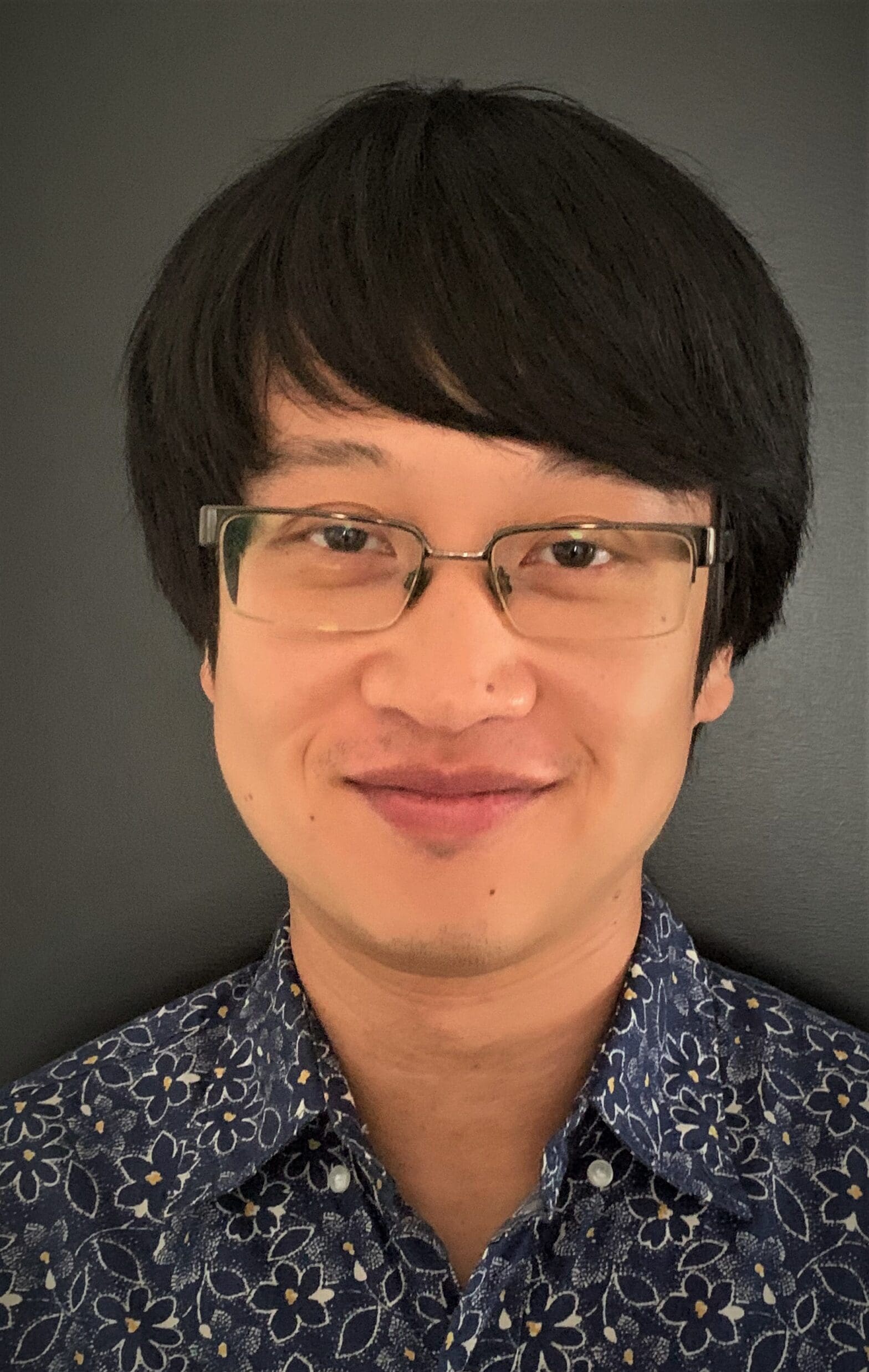
Jeff (Yanli) Lin is a postdoctoral scholar working in the Cognitive Control & Psychopathology Laboratory at Washington University in St. Louis. He received his PhD in clinical psychology from Michigan State University. His research broadly aims to elucidate the effects of mindfulness and other contemplative practices on cognitive control and emotion regulation. Jeff’s long-term aspiration …
Lisa May
Lisa May is a doctoral candidate in the Institute of Neuroscience at the University of Oregon. Her research focuses on understanding the neural mechanisms by which cognitive and affective processes affect pain perception, using pharmaceutical methods and functional MRI. Her ultimate goal is to improve chronic pain treatment, so she am particularly interested in psychological …
John Plass
John Plass is a graduate student working in the Visual Perception, Cognition, and Neuroscience and Cognitive Neuroscience Laboratories in the Department of Psychology at Northwestern University. Broadly speaking, he is interested in perceptual inference, attention, and awareness. His recent work has focused on processes underlying audiovisual integration and multisensory body perception. His interest in meditation …
Chivon Powers
Chivon Powers is a postdoctoral scholar working on the Shamatha Project with Dr. Clifford Saron at UC-Davis. She specializes in analysis of task-related electroencephalogram (EEG) oscillatory patterns as indicators of change in attention and other aspects of cognition. She is currently analyzing data from experienced meditators before, during, and after an intensive 3-month Shamatha meditation …
Anne Harrington
Anne Harrington, PhD, is Professor and Acting Chair of the History of Science at Harvard University, specializing in the history of psychiatry, neuroscience, and the other mind and behavioral sciences. Professor Harrington received her PhD in the History of Science from Oxford University, and has held postdoctoral fellowships at the Wellcome Institute for the History …
Making the right choice: Combining neuroimaging, computational modelling, and first-person report methodologies to unveil neural mechanisms of human flourishing
While the combined use of computational modelling and experimental techniques in neuroscience has been fruitful for studying decision-making, it has mostly focused on general principles of reward-based decision-making and has not been utilized to examine wider implications for human well-being. On the other hand, the emerging field of positive psychology has provided a framework for …