Latest Findings in Contemplative Neuroscience Session

Latest Findings in Contemplative Neuroscience Session

Overview

This Mind & Life session highlights a new generation of contemplative scientists exploring both the benefits and complexities of meditation while carrying forward Francisco Varela’s vision of integrating first-person contemplative experience with third-person scientific inquiry. Thorsten Barnhofer presents research suggesting that mindfulness-based cognitive therapy may help people with chronic depression by reducing rumination, helping them step back from automatic negative thought patterns, and potentially changing very early brain responses associated with error and vulnerability to depressive thinking. Willoughby Britton cautions that intensive meditation can also produce serious cognitive, emotional, and physical difficulties, sometimes lasting for years, leading the Dalai Lama to emphasize the importance of practicing within a broader framework of study, reflection, ethics, motivation, and understanding rather than pursuing isolated techniques without context. Norm Farb shows how mindfulness training may loosen identification with self-focused narratives and strengthen present-moment bodily awareness, potentially reducing vulnerability to depression, while Baljinder Sahdra presents evidence that nonattachment may allow people to remain strongly connected to their group without defensively ignoring its wrongdoing. David Vago proposes more precise scientific models of mindfulness that distinguish its component cognitive processes, and Helen Weng reports that just two weeks of compassion training can make compassionate brain states more consistent and is associated with greater charitable giving. The Dalai Lama concludes by urging these young researchers to study both the positive and negative sides of contemplative practice objectively, ground their work in altruistic motivation, and use scientific evidence to help educate society about inner well-being, compassion, and the shared responsibility of building a more peaceful world.

Speakers

Baljinder Sahdra

David Vago

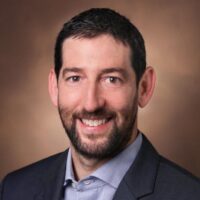
David Vago, PhD, is an Associate Psychologist in the Functional Neuroimaging Laboratory, Brigham and Women's Hospital, and instructor at Harvard Medical School. He has completed postdoctoral fellowships in neuroimaging, pain research, and the Stuart T. Hauser Research Training Program in Biological & Social Psychiatry. David has previously held the position of Senior Research Coordinator for the Mind & Life Institute and is currently a Mind and Life Fellow. He received his BA in Brain & Cognitive Sciences in 1997 from the University of Rochester. In 2005, David received his PhD in Cognitive & Neural Sciences with a specialization in learning and memory from the University of Utah. David's research interests broadly focus on utilizing translational models to identify and characterize neurobiological substrates mediating psychopathology, to better predict outcomes and potential biologically-based diagnostic and therapeutic strategies for those suffering with mental illness. David has been specifically focusing on the study of mindfulness-based interventions in clinical settings, and the basic neurocogni tive mechanisms by which mindfulness-based practices function. He has published numerous peer-reviewed articles and book chapters, spoken at international conferences, and his research has been covered by mainstream news outlets such as the Huffington Post, Boston Globe, and NPR, among others.

Helen Weng

His Holiness The Dalai Lama

Tenzin Gyatso, the14th Dalai Lama, is the leader of Tibetan Buddhism and a spiritual leader revered worldwide. He was born on July 6, 1935, in a small village called Taktser in northeastern Tibet. Born to a peasant family, he was recognized at the age of two, in accordance with Tibetan tradition, as the reincarnation of his predecessor, the 13th Dalai Lama. The Dalai Lamas are manifestations of the Buddha of Compassion, who choose to reincarnate for the purpose of serving human beings. Winner of the Nobel Prize for Peace in 1989, he is universally respected as a spokesman for the compassionate and peaceful resolution of human conflict. He has traveled extensively, speaking on subjects including universal responsibility, love, compassion and kindness. Less well known is his intense personal interest in the sciences; he has said that if he were not a monk, he would have liked to be an engineer. As a youth in Lhasa it was he who was called on to fix broken machinery in the Potala Palace, be it a clock or a car. He has a vigorous interest in learning the newest developments in science, and brings to bear both a voice for the humanistic implications of the findings, and a high degree of intuitive methodological sophistication.

Norm Farb

Richard Davidson

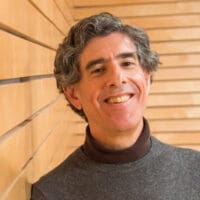
Richard J. Davidson, PhD, is the founder and chairman of the Center for Investigating Healthy Minds at the Waisman Center, and the director of the Laboratory for Affective Neuroscience and the Waisman Laboratory for Brain Imaging and Behavior, both at the University of Wisconsin–Madison. He was educated at New York University and Harvard University, where he received his bachelor’s of arts and PhD degrees, respectively, in psychology. Over the course of his research career, he has focused on the relationship between brain and emotion. He is currently the William James professor and Vilas research professor of psychology and psychiatry at the University of Wisconsin. He is co-author or editor of 13 books, including Visions of Compassion: Western Scientists and Tibetan Buddhists Examine Human Nature, The Handbook of Affective Science, and The Emotional Life of Your Brain. Davidson has published more than 300 chapters and journal articles, and is the recipient of numerous prestigious awards for his work, including the Research Scientist Award from the National Institute of Mental Health, the Distinguished Scientific Contribution Award from the American Psychological Association, and election to the American Academy of Arts and Sciences. He has served on the board of directors for the Mind & Life Institute since 1992. In 2006, Time named him one of the 100 most influential people in the world, and he received the first Mani Bhaumik Award from UCLA for advances in the understanding of the role of the brain and the conscious mind in healing.

Thorsten Barnhofer

Willoughby Britton